
Experts
Namakwa Electrical Projects
(COC) in South Africa?
Selling a property in South Africa involves more than just finding a buyer and signing an offer to purchase. One of the most misunderstood — and often overlooked — legal requirements is the Electrical Certificate of Compliance (COC).
Many homeowners ask:
“Can I sell my house without a COC?”
The short answer is no — but the full explanation is important, because misunderstanding this requirement can delay a sale, cost you money, or even cause the deal to fall through.
At Namakwa Electrical Projects, we regularly assist sellers, buyers, estate agents, and attorneys with COC inspections and compliance work. In this article, we explain exactly what the law says, what your responsibilities are, and how to avoid problems when selling your property
An Electrical Certificate of Compliance is a legal document issued by a registered and qualified electrician. It confirms that the electrical installation on a property:
A valid COC certifies the entire electrical installation, including:
Yes.
In terms of the Electrical Installation Regulations under the Occupational Health and Safety Act, the seller is legally responsible for providing a valid Electrical Certificate of Compliance when a property is sold.
This means:
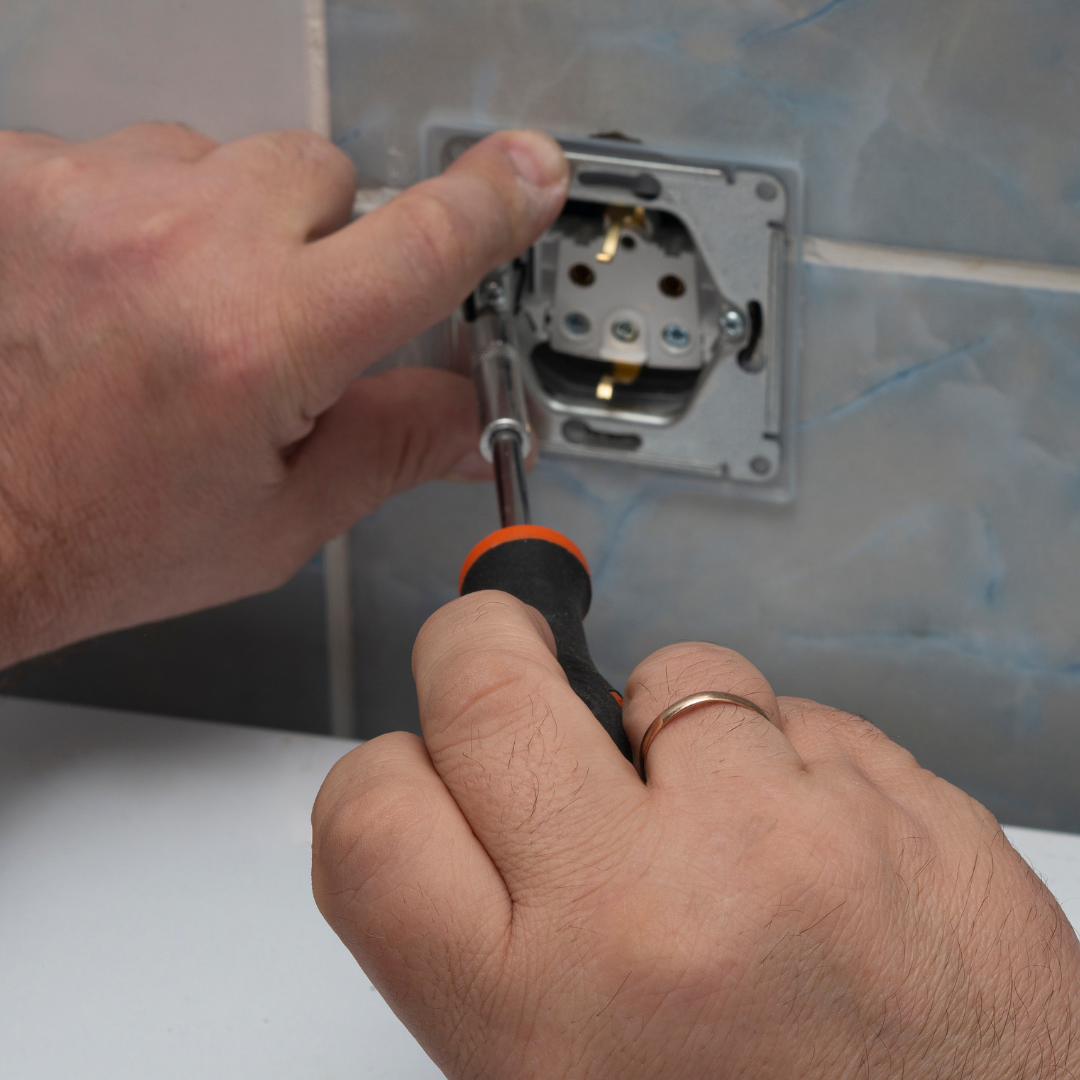
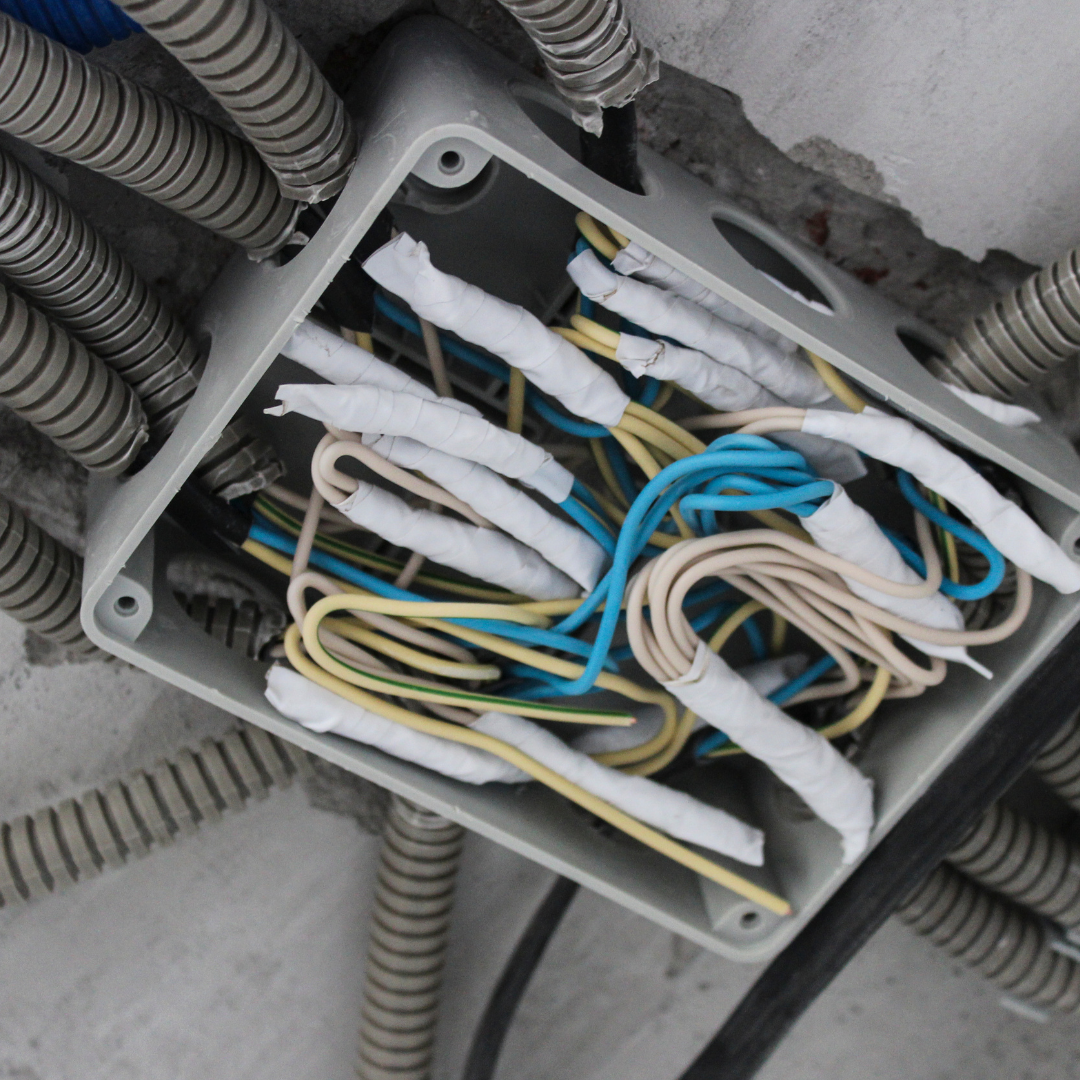
In practice, no.
Even if:
The law still places the responsibility on the seller to provide a valid COC.
Some sale agreements attempt to shift responsibility to the buyer, but this often leads to:
If you don’t have a valid COC when selling your property, several problems can arise:
If the electrical installation fails inspection, the COC cannot be issued until all faults are repaired. This can delay transfer by weeks or even months.
Last-minute electrical work is often more expensive. Sellers who wait until the final stages of transfer usually pay more than those who plan ahead.
Buyers may withdraw from the sale if:
Without a valid COC:
A COC is valid for two years, provided:
If any electrical work was done after the COC was issued — even something small like adding a plug point — the certificate is no longer valid.
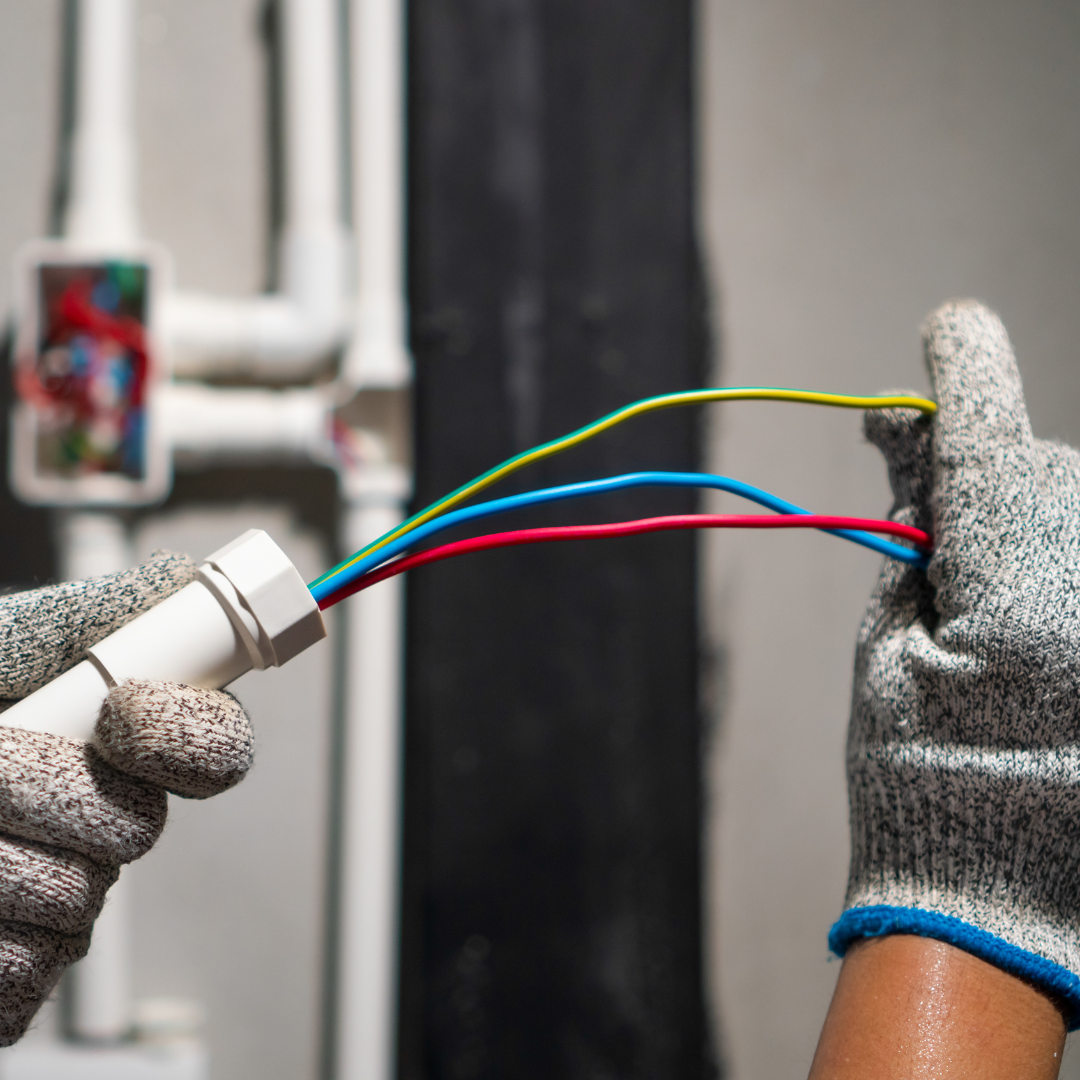
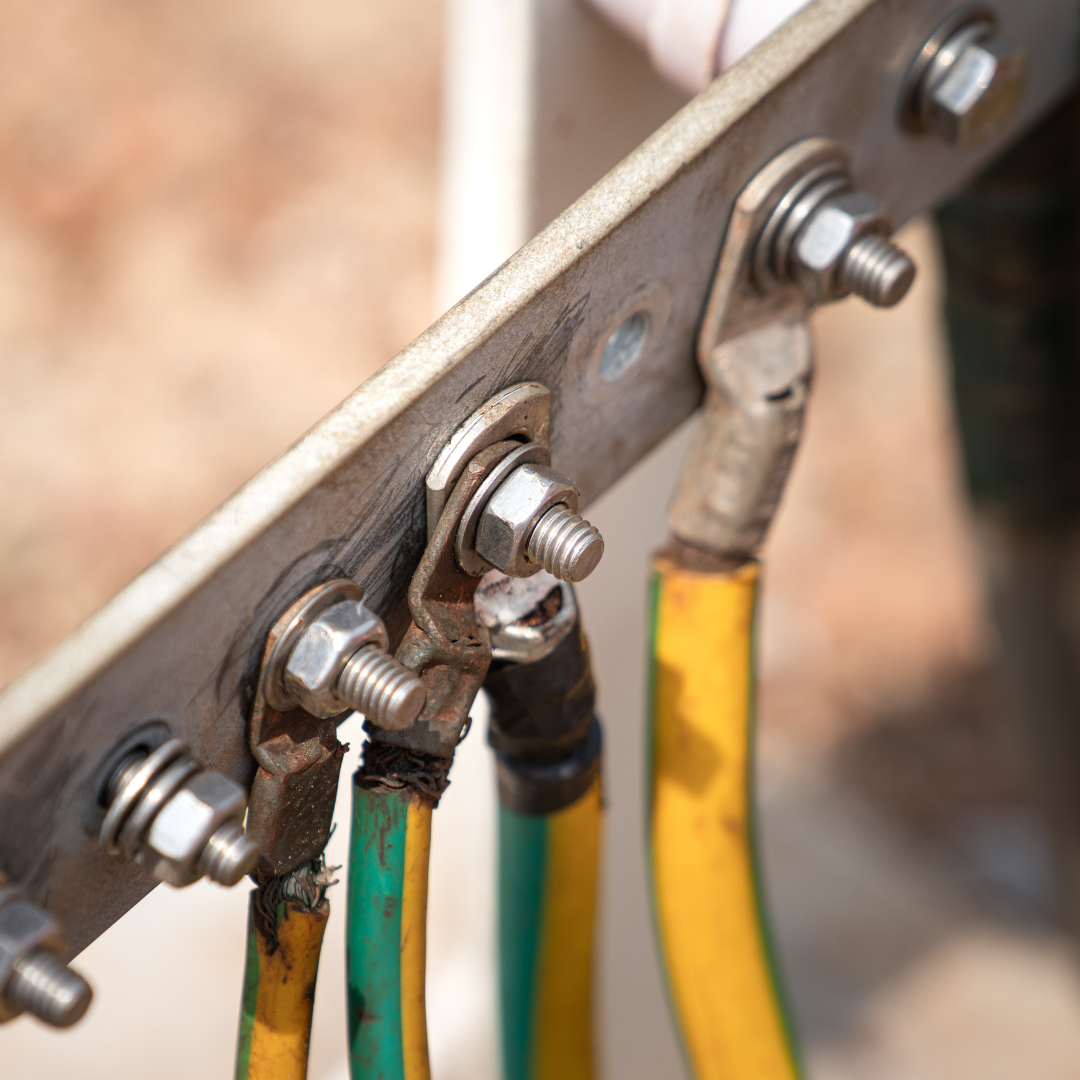
Older properties, DIY work, and poorly maintained installations often fail inspection. Common issues include:
These issues must be corrected before a COC can be issued.
In most cases:
Trying to pass the cost to the buyer often leads to disputes and delays.

Even if a buyer verbally agrees to accept the property “as is”, the legal requirement for a COC still applies.
The COC is not about the buyer’s preference — it’s about public safety and legal compliance.
Namakwa Electrical Projects
The best approach is to be proactive:
Arrange an inspection before listing your property. This gives you time to address any issues calmly and cost-effectively.
Only registered electricians can legally issue a COC. Always verify credentials.
Quick fixes often fail re-inspection. Proper compliance work saves money in the long run.
Retain your COC and any electrical documentation. Conveyancers and estate agents will request it.
At Namakwa Electrical Projects, we specialise in:
We guide you through the entire process — from inspection to certification — ensuring your property is safe, compliant, and ready for transfer.